Conflict Resolution for Kids
Making practical conflict resolution education accessible, engaging and fun!
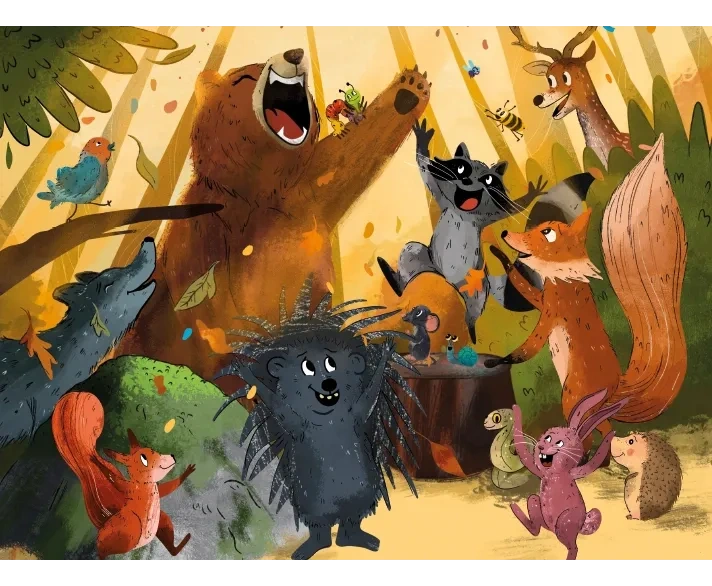
Making practical conflict resolution education accessible, engaging and fun!
It's the skill set behind how people work through disagreement — the same skills that mediators, negotiators, and lawyers spend their careers learning. This involves listening in more than one way, naming what you want, and finding options where there seemed to be none, ultimately choosing well even when it's hard. Conflict resolution is vital in all aspects of life. Adults receive this training often when they’re already in trouble, while children rarely do. Yet, these are skills that every child will use in every friendship, classroom, job, and challenging conversation throughout their lives. There's no reason to wait; by empowering kids with conflict management skills early, we can show them how to engage in thoughtful communication that resonates with their understanding. If taught in ways that align with how young children think, these skills become a source of growth and enjoyment for them, benefiting their futures significantly.
Children set the goal themselves. How do we make friends at a new school. How do we show kindness to one another. During COVID: how do we help the people we love feel less lonely.
Then the ideas come — dozens and dozens of them, thoughtful and workable and entirely their own. And the strongest work comes from the youngest elementary schoolers.
Show their ideas to a room of adults and you'll hear the same thing every time: a pause, then a collective wow. These children are remarkably well equipped to solve their own problems, and to learn from doing it.

Sixteen years of exploration, practice, and listening. The same two answers, over and over.
Big feelings. How do I find calm when I'm angry. How do I handle it when something feels unfair.
Their relationships. How do I make a friend. How do I help one who's hurting. How do I make it right after I've hurt someone.
Turned into goals, these stop being anyone's private trouble. How do we find calm when we're angry belongs to everyone in the room and to no one in particular — which is what makes it safe to work on together, and easy to walk up to.
Then we put their compassion and creativity to work. Managing big feelings. Finding calm and kindness in the choices they make. Learning the art of problem solving, in ways that engage their curiosity and support their growth — and the growth of their communities.
It's a progression — but the progression isn't the point.
It begins with something a young child can genuinely do: finding calm in your heart and mind before you make a choice. It grows into brainstorming toward a goal with the people around them. And it grows again into resources whole communities build and use.
What makes it work is everything around that. The fun, because for a young mind fun is the way in, not a sweetener on top. The magic — Inchy, Burt, puppets, stories, the delight of being asked. And the ownership, which is the whole thing: a child reaches for something she built in a way she never reaches for something handed to her.
"You changed the way I think about communicating with my child."
A parent
"It teaches kids to turn problems into goals."
An educator, CCSD Symposium

I'm a parent — Your child has better ideas than you'd guess. Here's how to help your child find them.
→ For Parents
I teach, counsel, or run a school — Free graduate coursework, staff training, and a chance to work with us closely.
→ For Schools & Educators
I want to support this — Teachers buy their own crayons. This is the same shelf.
→ Support Our Cause

To create opportunities where there are few. To meet the urgency in front of us by thinking more broadly and more creatively than ever. And to make conflict resolution education accessible, fun, collaborative, and engaging.